 |
 MBBS (Singapore) MRCOG (London) FAMS (Obstetrics & Gynecology) RCOG Accredited Sub-Specialist - Gynae Oncology (UK) Gynecologist . Women's Cancer Specialist . Laparoscopic Surgeon Mount Elizabeth Hospital & Medical Centre - Singapore |
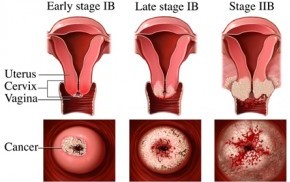
You are considering coming to Mount Elizabeth Hospital in Singapore for suspected cervical cancer. Chances are that you have seen your local doctor or a gynecologist who administered a pap smear test and also perform colposcopy to check your cervix.
Questions that you may have in your mind include:
- Which hospital should I go to for treating my cervical cancer?
- Will I need to undergo surgery and chemotherapy?
- What are my chances of a full recovery?
These are valid questions and you need to do some research on whether getting cervical cancer treatment in Singapore is suitable for you. Mount Elizabeth Hospital is certainly one of the top medical centres for cancer treatment. The large number of medical oncologists and oncology surgeons, supported by excellent testing laboratories and radiation facility, lets cancer patients develop a good understanding of their condition and help them decide on treatment regimes.
As a gynecological oncologist, I work hand in hand with various medical oncologists to help cervical cancer patients achieve the best possible outcome and support them in their recovery after surgery.
If you are not a cervical cancer patient, then you should include in your screening routine the Pap smear test and pelvic examination such as colposcopy . These are important parts of a woman’s health care because they can detect abnormalities that may lead to invasive cancer of the cervix. Seek treatment for these abnormalities before cervical cancer develops. Most invasive cancers of the cervix can be treated on time if women have Pap tests regularly. Also, as with many types of cancer, cancer of the cervix is more likely to be treated successfully if it is detected early. You may also consider having the HPV Vaccines such Cervarix or Gardasil to protect against some HPV infections and genital warts.
- What is cervical cancer?
- ACOG cervical cancer patient education
- Cancer Research UK
- IGCS - Cervical Cancer outcomes
- Cervical cancer stages video
Website
www.lisawong.com.sg
Dokter Kandungan information
Clinic Address
Lisa Wong Women & Gynae Oncology Centre
Mount Elizabeth Medical Centre
3 Mount Elizabeth #12-17
Singapore 228510
Republic of Singapore
Online Google Map for Mount Elizabeth Hospital
Appointments to see Dr Lisa Wong
Clinic Tel (+65) 6836 2004
Clinic Tel (+65) 6836 2008
SMS/Text (+65) 9328 2100
Fax (+65) 6836 2003
Email: appt2011@lisawong.com.sg
Clinic Opening Hours
Mon - Fri : 9:00am to 5:00pm
Sat : 9:00am - 1:00pm
Sun & Public Holidays: Closed